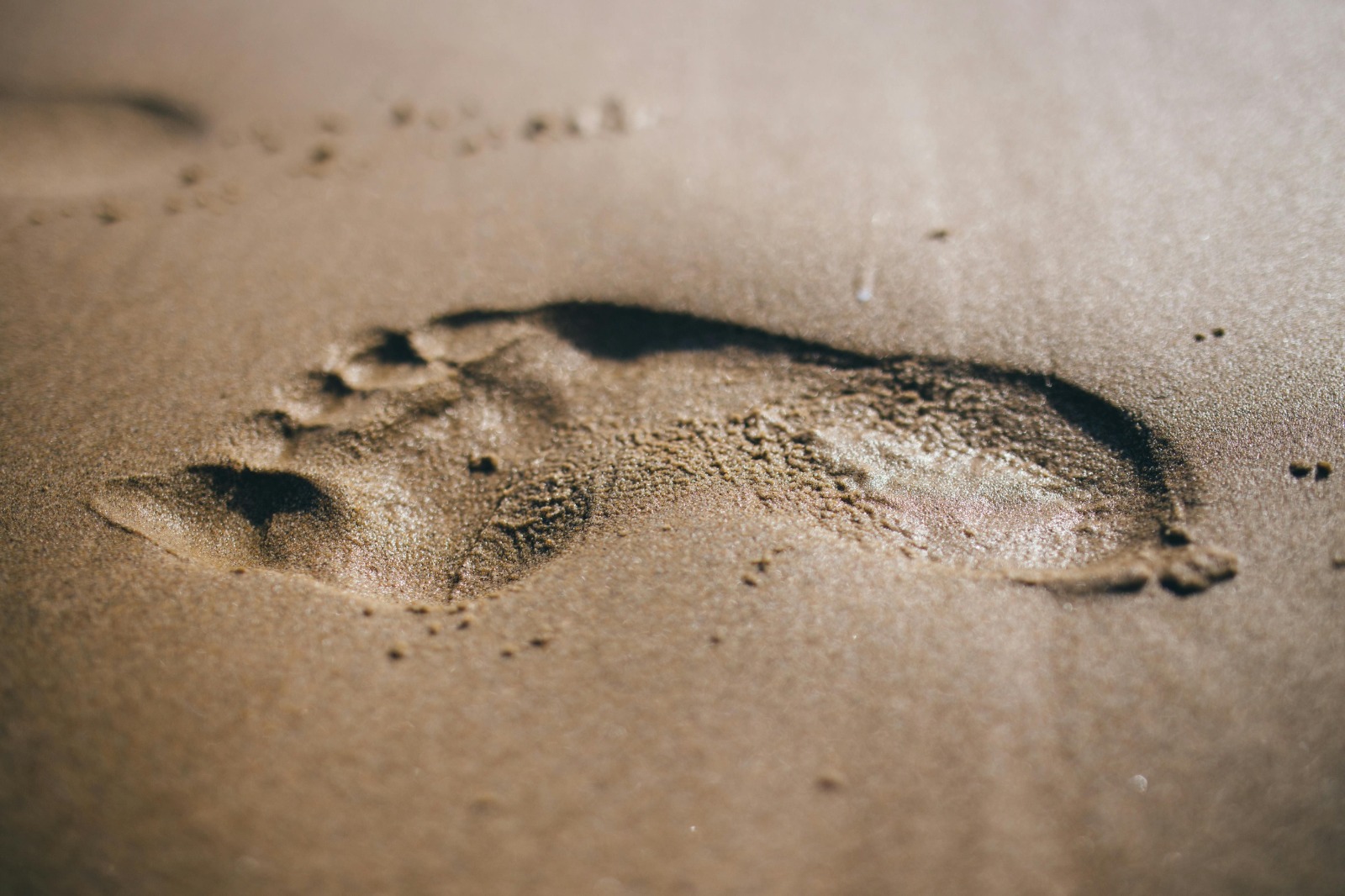
nice print right??
Feb 16

@amit01
"Visual storyteller and street photographer based in Mumbai. Capturing the hidden geometry of city life and coastal landscapes. 📸🌊"
nice print right??
hi
Milestones and updates
The Blueprint of a Visual Business: Escaping the Exposure Economy Let’s get one thing straight: passion doesn’t buy lenses, and "exposure" doesn't pay the rent. When I walked away from a stable architecture firm in Mumbai to shoot street photography, everyone thought I was chasing some romantic, bohemian dream. I wasn't. I just realized that in architecture, I was endlessly designing assets for someone else’s portfolio. I wanted to own my output. But I quickly found out that the modern digital photography industry is structurally flawed from the ground up. The transition from drafting structural blueprints to processing raw image files wasn't the hard part. The hard part was the violent realization that the digital galleries we all rely on are essentially algorithmic landfills. You spend thousands of dollars on high-end glass, wait four hours in a humid railway station for the perfect interplay of shadows, and meticulously color-grade a 50-megapixel file. Then, you upload it to a legacy social platform. What happens next? They aggressively compress your art into a low-resolution thumbnail, slap a targeted ad next to it, and give your audience exactly 1.5 seconds to double-tap before the feed shoves a viral dance video in their face. For years, I was trapped in this cycle. I was taking soul-crushing corporate freelance gigs just to fund my street photography, essentially operating two separate lives while bleeding cash on gear maintenance and travel. The legacy platforms were extracting all the commercial value from my visual data, paying me in the meaningless currency of "likes," while my actual bank account stayed completely flat. As a former architect, I can tell you: building a career on rented land where the landlord can change the algorithm overnight is a terrible structural design. That’s when I stopped treating my camera like a hobbyist's tool and started treating it like a business asset. I needed a distribution channel that didn't treat my high-resolution storytelling as cheap filler content to keep users scrolling. Moving my portfolio to vTogether was a structural necessity. When you migrate to a platform operating on a transparent 95/5 revenue model, you stop being a beggar in the algorithmic economy and start acting like a gallery owner. I don't need a million people to mindlessly scroll past my photo of the Arabian Sea; I need a dedicated community of patrons, students, and peers who actually value visual fidelity. Because this platform doesn't throttle my reach to extort ad money, the unit economics of my art finally make sense. I can directly monetize my Lightroom presets, host paid lighting masterclasses, and fund my documentary projects without a corporate middleman taking half the cut. I didn't abandon architecture; I just changed the materials I build with. I’m no longer designing office buildings for corporations. I am building a sustainable, independent digital infrastructure where visual artists actually get paid for the way they see the world. The era of starving for exposure is over. It’s time to start billing for it.
Shifting Perspectives: My Path from Architecture to Visual Storytelling My journey into photography was a slow, deliberate transition from the rigid lines of architecture to the fluid, unpredictable energy of the streets. Growing up in the suburbs of Mumbai, I was always fascinated by the way light interacted with the city's concrete structures, but it wasn't until I picked up a vintage film camera during my final year of university that I realized my true passion wasn't in designing buildings—it was in documenting the life that happened within them. I spent my early twenties working as a junior architect by day and wandering the railway stations and fish markets by night, training my eye to see the beauty in the mundane. The shift to becoming a full-time creator was born out of a desire for creative autonomy. In the corporate world, my vision was always filtered through the needs of a client or a firm. On the streets, I was the sole director of my narrative. However, the "struggling artist" phase was very real. I spent years taking low-paying freelance gigs just to keep my gear updated, often questioning if I should have just stayed in my stable office job. The breakthrough happened when I stopped trying to take "pretty" photos and started focusing on the raw, often gritty reality of urban displacement. I realized that a photograph isn't just an image; it’s a record of a moment that will never happen exactly that way again. The digital landscape for photographers is notoriously difficult to navigate. Most mainstream platforms prioritize fast, "scroll-stopping" content over deep, high-resolution storytelling. I often felt like my work was being devalued by algorithms that only cared about how many seconds someone looked at a post. This is why I found vTogether so compelling. As a professional who values the technical and emotional depth of my work, having a space that treats my content as a business—and allows me to keep 95% of my earnings—is a fundamental shift in how creators are treated. Today, my journey as amit_01 is about more than just a portfolio. I use this space to host digital galleries, share technical tutorials on light manipulation, and connect with other visual artists who are tired of the "likes-chasing" culture. I believe that photography is an act of empathy. Every time I press the shutter, I am trying to bridge the gap between my experience and yours. Whether I'm shooting a sunset over the Arabian Sea or a quiet moment in a crowded bazaar, my goal is to make you feel the wind, smell the salt, and hear the city. The world is constantly moving, and I’m just here to make it stand still for a second.