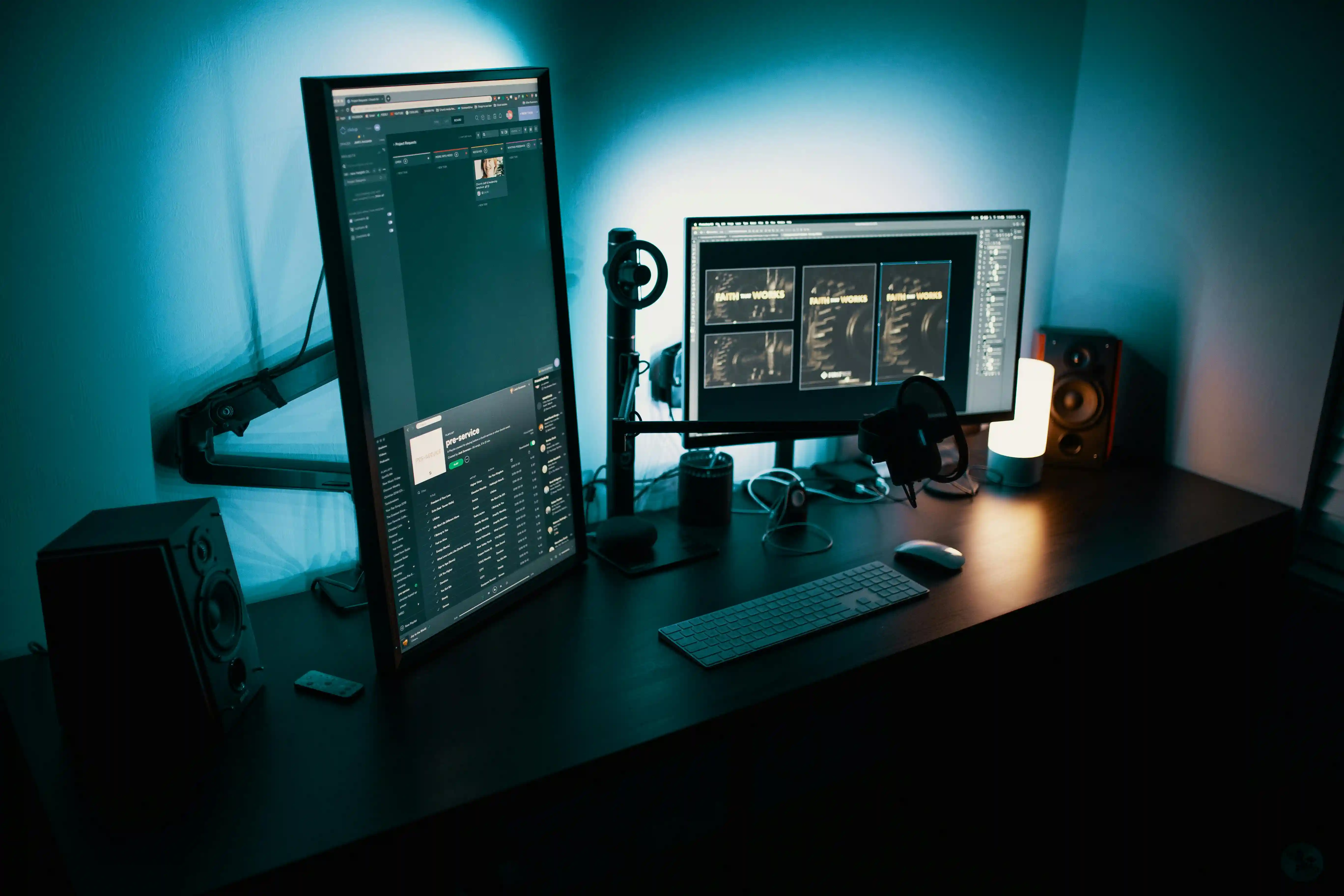
i need this type of setup , please everyone support me so that i can buy this setup one day.
Feb 25

@ayush
A billion-dollar brand tried to sue me into silence over an honest review. I didn't back down. Now, I roast overpriced gadgets to save your hard-earned cash.
i need this type of setup , please everyone support me so that i can buy this setup one day.

gifts for my sister.
Milestones and updates
Welcome to the matrix, guys. I’m Ayush, and if you’ve seen my videos, you know I’m the guy who routinely ruins the marketing campaigns of billion-dollar tech companies. I don't care if a smartphone has a "revolutionary titanium finish" if the battery dies faster than a side character in a horror movie. I review tech, but mostly, I just roast overpriced plastic. Let’s rewind a bit. I didn't start making videos because I wanted to be famous. I started because I was broke, in college, and I had just spent my entire six-month internship stipend on a laptop that was absolute, unadulterated garbage. The hinges snapped within a week, and it overheated so badly I could have fried an egg on the keyboard. I was furious. I went online to see if anyone else had this issue, and all I found were massive "tech influencers" reading off the company’s spec sheet like it was scripture, praising the laptop's "sleek design." It felt like a massive conspiracy. So, I grabbed my phone, propped it up against a stack of comic books, and recorded a twenty-minute, unscripted rant. I compared the laptop to the final season of Game of Thrones: a massive budget, huge hype, and ultimately, a complete disaster. I uploaded it, went to sleep, and woke up to find that 100,000 people agreed with me. That was the birth of my channel. I became the "anti-hype" guy. People started trusting me because I bought my own gadgets and I didn't care about burning bridges with PR departments. I was living the indie dream. But then, the Empire struck back. About two years into my journey, a very prominent, very aggressive tech brand (let's call them 'Brand X') released their flagship smartphone. The hype was astronomical. The reality? The phone was a thermal nightmare. It lagged, the camera software was buggy, and it cost as much as a used car. I did what I do best: I made a video titled "Brand X’s New Flagship is a $1,200 Paperweight." It was sarcastic, heavily memed, and mathematically proven with benchmark tests. The video went viral. And then, I got the email. It wasn't a standard PR complaint. It was a formal Cease and Desist letter from a terrifyingly expensive law firm. They threatened a multi-million dollar defamation lawsuit if I didn't take the video down and issue a public apology within 48 hours. I’m not going to lie to you—I panicked. I was a 24-year-old guy sitting in a bedroom decorated with Marvel posters. I didn't have a legal team; I barely had health insurance. I stared at my screen for hours, my mouse cursor literally hovering over the 'Delete' button on YouTube. I felt physically sick. The corporate bullying was working. They knew they could bankrupt me before we even saw a courtroom. But as I sat there, reading the comments from kids who had saved up their pocket money to buy this phone and thanked me for saving them from a scam, something snapped. If I deleted that video, I was no better than the sellouts I despised. So, I didn't delete it. I doubled down. I hit record and made a new video: "Brand X is Suing Me for Telling the Truth." I put their legal threats right there on the screen. I broke down how corporate bullying works in the tech review space. I basically went full Tony Stark at the end of Iron Man 1. The internet exploded. The video hit the front page of Reddit. Other creators rallied behind me. Mainstream tech journalists picked up the story. It became an absolute PR apocalypse for Brand X. Within three days, they publicly withdrew the legal threat, claiming it was a "misunderstanding by their external legal team." Yeah, right. I had won. My subscriber count skyrocketed, and my audience's trust in me became unbreakable. But behind the scenes, I was exhausted. And that’s when I noticed the ultimate irony: the platform I was hosting my videos on was punishing me. Because my video involved a "lawsuit" and "controversy," the algorithm demonetized it. I had generated millions of views, kept users on their site for hours, and the platform flagged it as "unfriendly for advertisers." I made zero dollars from the biggest moment of my career, while the platform continued to take their massive 45% cut from my older videos. I realized that traditional platforms are just another version of Brand X. They don't care about truth, or creators, or community. They care about ad inventory. That realization is what made me pack up my digital bags and move my core community to vTogether. When I saw their 95/5 revenue split, my cynical brain immediately looked for the catch. But there wasn't one. It’s just math and decent ethics. Moving to vTogether meant I was no longer a hostage to a hyper-sensitive, advertiser-driven algorithm. If I want to spend forty minutes roasting a bad product, I can do it without fear of being shadowbanned. Because I actually get to keep the revenue I generate, I’ve been able to hire a proper researcher, upgrade my studio, and buy gadgets to review without relying on brand freebies. vTogether allowed me to turn my sarcastic bedroom rants into a fully independent tech media startup. So, the moral of the story? Don't buy a gadget just because it has a shiny logo. Don't let corporate bullies silence you. And for the love of all things holy, stop giving 50% of your income to tech platforms that don't even know your name. Stay smart, stay cynical, and I'll see you in the next review.